In the beginning, there was pigment and prayer. The earliest modernists of India — Gaganendranath Tagore, Nandalal Bose, Jamini Roy — worked with tempera, ink, and oil, their brushstrokes steeped in mythology, nationalism, and the quiet rhythms of village life. Their materials were modest, their canvases often paper or cloth, and their palettes drawn from earth and ritual. These artists, many trained in the Bengal School or Santiniketan, sought to revive indigenous techniques while absorbing global influences like Japanese wash painting and European modernism.
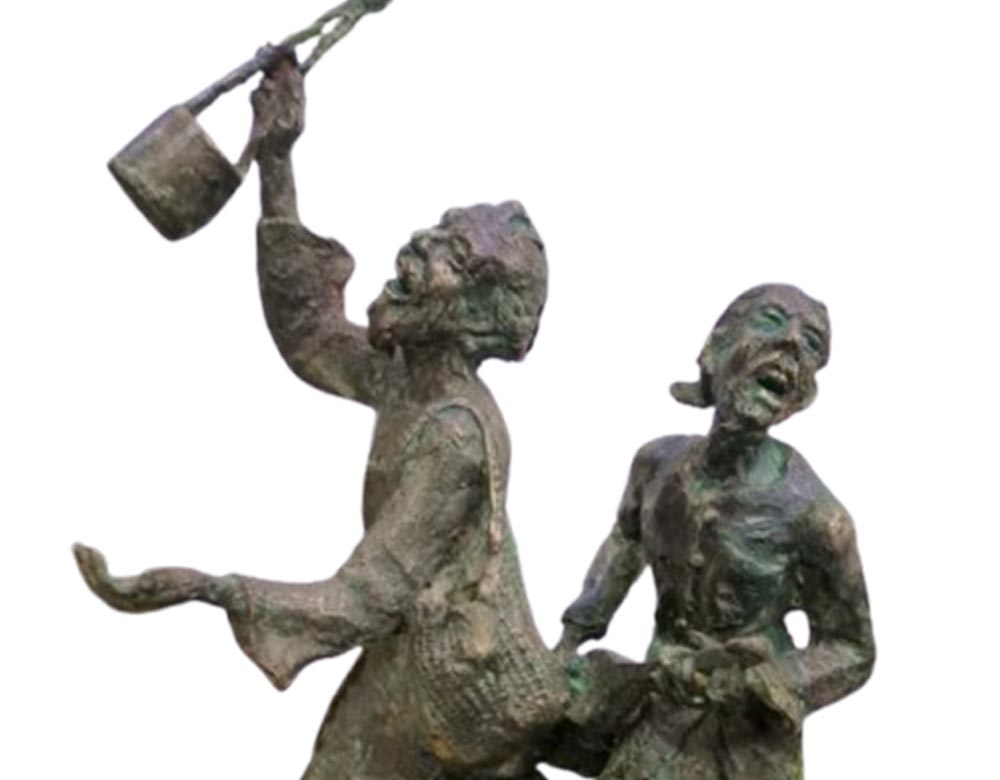
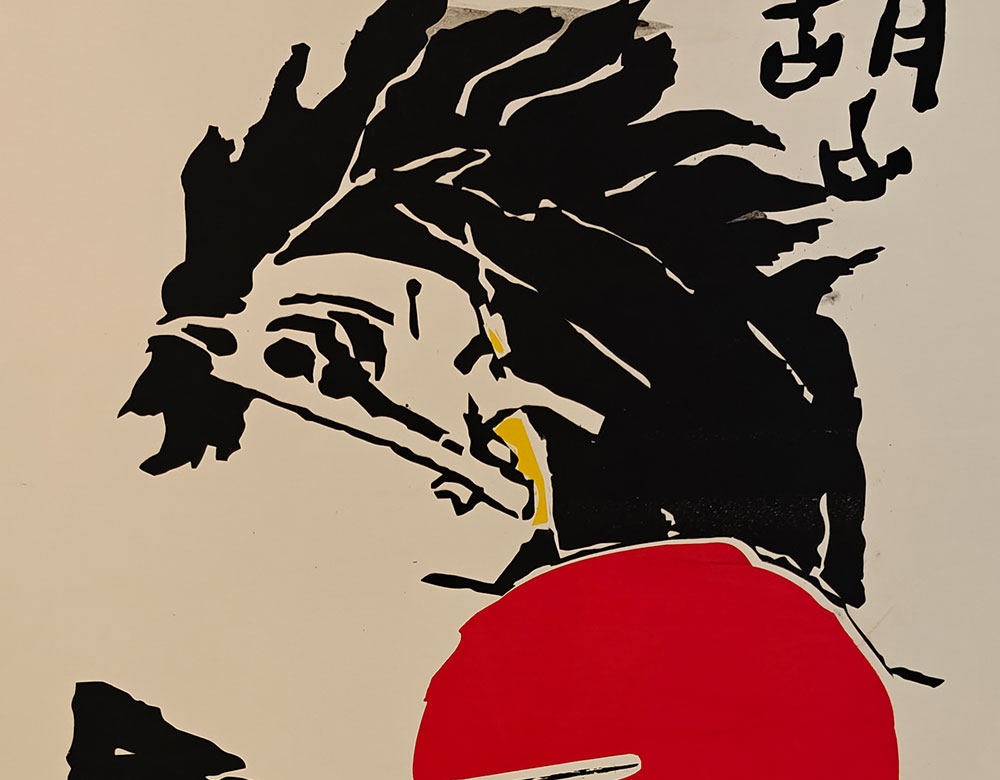
Ramkinkar Baij, a radical among radicals, broke the mold — literally. He sculpted with cement, laterite, and scrap, creating monumental works like Santhal Family that celebrated the laboring body and rural resilience. Somnath Hore etched famine and revolution into paper and bronze, his “Wounds” series a visceral testament to suffering. Sunil Das, Shahabuddin Ahmed, and Rabin Mondal carried this emotional intensity forward, using oil and charcoal to depict bulls, revolutionaries, and haunted kings — figures caught between motion and memory.
But today, the material speaks louder than ever.
Contemporary artists have expanded the vocabulary of form and substance. Paresh Maity moves fluidly between watercolor, acrylic, sculpture, and photography, his works spanning continents and moods. Jayasri Burman layers ink, acrylic, and embroidery to evoke divine femininity and mythic landscapes. Seema Kohli’s installations shimmer with gold leaf, performance, and spiritual symbolism, bridging the cosmic and the corporeal.